UZBEKISTAN
Seeking blessings at what the post describes as one of the world’s oldest Quran manuscripts, attributed to Uthman (may Allah be pleased with him).
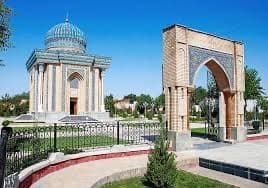
This morning was our first day in Tashkent, the capital of Uzbekistan. In very cold weather we visited the Khazrat Imam complex, which includes a historic old mosque and a madrasah, a traditional place of learning, with striking old Uzbek architecture.
The area also contains the resting places of prominent scholars from different centuries, including Al-Allamah Al-Imam Abu Bakar Muhammad bin Ismail Asshashi (may Allah have mercy on him; died 366 AH), among others.
The highlight of the visit was a building specially constructed to house a Quran manuscript attributed in the post to Uthman bin Affan (may Allah be pleased with him). The post describes it as one of the seven oldest Quran manuscripts in the world.
The post recalls Uthman’s role in bringing the Quran together in a written mushaf. Before that, the text was written on separate leaves and memorized by many of the Prophet’s companions. The deaths of many memorizers in battle prompted efforts to collect it in one manuscript.
According to the post, around the 1400s CE, Amir Timur of the Timurid Empire brought this manuscript from a campaign in Syria and Iraq to Samarkand, then the empire’s capital. After the Soviet Union took control of Uzbekistan, it was moved several times before reaching Tashkent.
The post relates a tradition that Uthman was holding this manuscript while reading the Quran when he was killed, and that his blood marked verse 137 of Surah Al-Baqarah.
This morning we saw what looked like faint reddish marks on its pages. The museum staff did not permit photographs or video. Allah knows best.